
When You’re Walking On Eggshells Around Their Anger
Understand what’s really happening beneath the surface, so you can stop walking on eggshells and start feeling safer and more connected again. For veterans, partners and wives of veterans living with PTSD, who feel stuck in a cycle of tension, regret, and distance.
Does this sound like you?
You love your partner. You know some of what they’ve been through.
But lately, it can feel like small things turn into big reactions.
One minute things are fine.
The next, something shifts.
You find yourself:
- Choosing your words carefully
- Trying to keep the peace
- Wondering what just happened
- Replaying conversations in your head
- Avoiding certain topics to “not set them off”
And over time, it can start to feel like you’ve lost the person you fell in love with.
If you’re reading this as a partner:
- You’re not imagining it
- You’re not the cause of it
- And you don’t have to carry this alone
What’s actually going on
What’s often happening underneath this isn’t simply “anger” in the usual sense.
It’s a system that’s stuck on high alert.
When someone has been exposed to repeated stress or trauma, their brain can start to scan for threat constantly. Small things get interpreted as bigger threats than they are, and the reaction comes out fast, before there’s time to think.
"Did you unpack the dishwasher?"
get interpreted as:
"You don't pull your weight"
From the outside, it looks like an overreaction.
From the inside, it feels like something has gone wrong and needs to be dealt with immediately.
That’s why it can feel so sudden, and so personal.
But in many cases, it’s not actually about you.
The difficult part
For many couples, one of the biggest obstacles is defensiveness.
As soon as anger is brought up, it can feel like criticism or blame, and the conversation shuts down.
That’s why direct confrontation rarely works.
Not because you’re doing anything wrong,
but because the system is already overloaded.
You might have tried:
- Calmly explaining how their anger affects you
- Asking them to “just try harder” to control it
- Keeping quiet and hoping things will settle down on their own
If none of that has really changed the pattern, you’re not failing.
The approach just needs to be different.
A different approach
What tends to work better is opening a door, rather than pushing someone through it.
If this is familiar, you might consider sharing this explanation with them at a neutral moment.
Something simple like:
“I came across this and it made sense of a few things. Might be worth a look.”
or
“I’ve signed up for this because I think it might help us.”
No pressure. No demand. Just a starting point.
Your role isn’t to be their therapist or to “fix” them.
It might be time to take one small step toward a better pattern, and invite them into a process that gives you both a real chance to change things.
If they’re open to it
There is a structured program designed specifically for veterans who struggle with anger linked to PTSD.
Inside the Anger & PTSD Program, they’ll learn:
- Why these reactions happen and what’s going on in the brain and body
- How to recognise early warning signs before things escalate
- Practical tools to interrupt the pattern in real time
- Ways to repair more effectively when there has been a blow-up
- How to rebuild trust and safety in the relationship over time
This isn’t about blame or shame.
It’s practical, not theoretical.
And it’s built for people who’ve been through real stress and trauma, not just everyday frustration.
How this can help you as the partner
When your partner starts to understand and work with their reactions, it can:
- Reduce the frequency and intensity of angry outbursts
- Make it easier to talk about difficult topics without walking on eggshells
- Create more moments of calm, humor, and connection
- Help you feel safer and less alone in the relationship
You still matter in this process.
That’s why, alongside the tools for veterans, you’ll also gain:
- A framework to make sense of what you’ve been living with
- Language you can use that reduces defensiveness
- Clarity on what is and isn’t your responsibility
Final thought
You can’t force change.
But you can create the conditions where change becomes more possible.
If you’re tired of feeling like you’re bracing for the next reaction, and you want to give your relationship a better chance, this is a place to start.
Small steps count. Even just learning what’s actually going on is one of them.
I'm ready for some change

Who Are We?
We’re clinicians who spend our days working with veterans and their families who are living with PTSD, anger, and the fallout at home.
Over and over, we were hearing the same things:
- “I hate how I talk to the people I love.”
- “I don’t want to be this angry, but it happens before I even realise.”
- “My partner is pulling away and I don’t know how to fix it.”
We built this program because weekly appointments and generic advice weren’t enough.
You don’t need more theory.
You need clear explanations, simple tools, and a way to start changing the pattern at home, step by step.
This is not about judging, blaming, or labelling anyone as “the problem.”
It’s about understanding what trauma has done to the system, and giving you both a real chance to rebuild safety and connection.
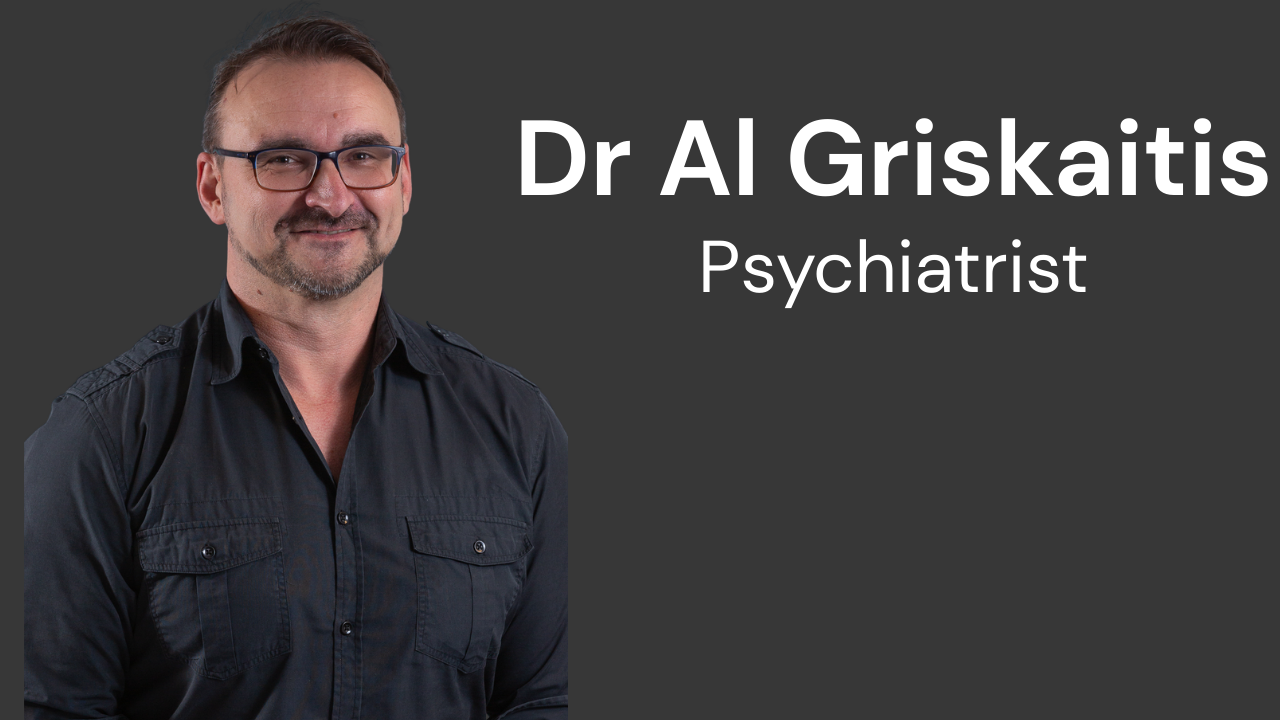
Dr Al Griskaitis
Dr Al is a psychiatrist who has a strong clinical focus working with frontline workers, military and veterans who suffer from PTSD. He created The Heroic Collective to help people overcome occupational PTSD.
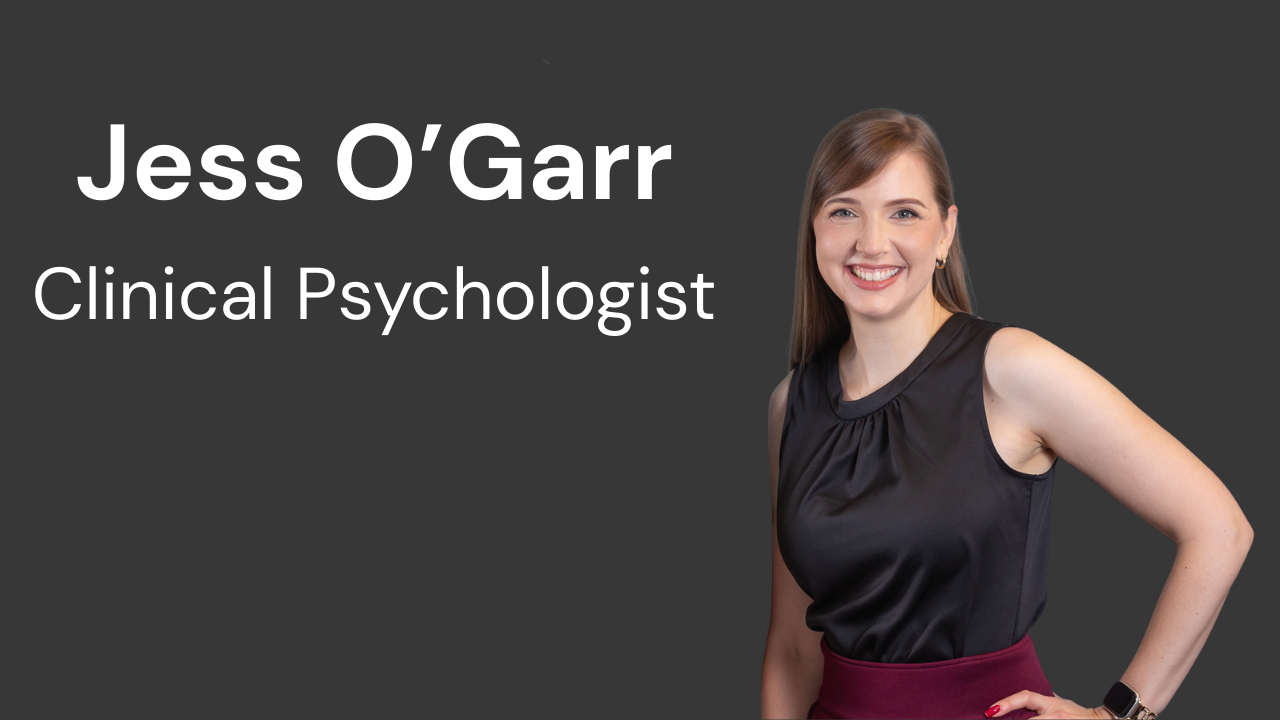
Jess O'Garr
Jess is a clinical psychologist with a clinical focus on occupational PTSD and complex trauma. She uses a skills before pills approach when applying EMDR and Schema Therapy.
About Our PTSD Anger Program
Our program is about how to get a grip on anger so that you can Rescue Your Relationship from PTSD Anger.
‼️ You can spend months talking to your therapist about what is going wrong at home while things get worse
OR
✅ Our course gets straight to the point and will give you real-world strategies to make meaningful changes at home before you lose your family.
What this course includes:
- Intro: Course Outline
- Lesson 1: Why does PTSD make me Angry?
- Lesson 2: Anger in PTSD
- Lesson 3: Unite with Partner Language
- Lesson 4: Anatomy of Anger
- Lesson 5: Anger Skills & Pills
- Lesson 6: Intentional Recharge
What will you learn from this course:
✅ Understand why people with PTSD get angry at home
✅ How to install your Anger Warning Light so you can catch yourself before you blow up
✅ How to rapidly calm anger
✅ How to team up with your partner against the anger (rather than being against each other)
Get Control of Your Anger. Save Your Relationships.
This program is not about perfection.
It’s about giving you and your partner a clear, structured way to move from constant tension toward more safety, respect, and connection at home.
Free Preview
$0
Check Us Out
- Intro: PTSD Treatment Stages and Course Outline
- Lesson 1: Why does PTSD make me Angry?
Full Course Access
$297
Pay Once. Save $99
- Intro: PTSD Treatment Stages and Course Outline
- Lesson 1: Why does PTSD make me Angry?
- Lesson 2: Anger in PTSD
- Lesson 3: Unite with Partner Language
- Lesson 4: Anatomy of Anger
- Lesson 5: Anger Skills & Pills
- Lesson 6: Intentional Recharge
Full Course Access
$99
Per month for 4 months = $396
- Intro: PTSD Treatment Stages and Course Outline
- Lesson 1: Why does PTSD make me Angry?
- Lesson 2: Anger in PTSD
- Lesson 3: Unite with Partner Language
- Lesson 4: Anatomy of Anger
- Lesson 5: Anger Skills & Pills
- Lesson 6: Intentional Recharge