
Self-Care Skills
Use these skills to quiet your mind so you can get to sleep
Self-Care Skills
Why PTSD fatigue makes self-care feel impossible – and what to do about it anyway
When PTSD symptoms are active, fatigue is relentless.
You’re not just tired.
You’re depleted.
Your nervous system has been running on high alert for too long, sleep is disrupted, adrenaline and cortisol are misfiring, and recovery never quite catches up. As fatigue increases, self-care is often the first thing to drop off.
That makes sense.
But here’s the problem:
when self-care declines, emotional regulation gets harder, not easier.
So while PTSD makes self-care feel impossible, skipping it actively worsens mood, reactivity, and emotional blow-ups. The goal isn’t to overhaul your life or “get on top of everything.” The goal is to make small, deliberate moves, even when you’re exhausted, so you’re not making things harder than they already are.
Self-care isn’t about indulgence.
It’s about keeping your nervous system within tolerable limits.
We teach this using a simple framework:

S – Sleep
Sleep has the biggest impact on emotional regulation.
When you’re well-rested:
-
your rational brain has more control
-
emotional reactions are smaller
-
you return to baseline faster
When you’re sleep-deprived (six hours or less):
-
your emotional brain dominates
-
triggers hit harder
-
recovery is slower
Think of a tired toddler. Same brain mechanics.
Sleep with PTSD is complicated, especially for frontline workers and shiftworkers. That’s why we’ve broken it out into a separate Sleep Skills page, including routines, thought-management, and tactical medication use.
👉 If sleep is an issue for you, start there.
E – Exercise
Exercise isn’t about fitness here.
It’s about regulation.
Exercise helps by:
-
burning off excess adrenaline and cortisol
-
producing adenosine, which supports sleep
-
improving mood stability
-
giving emotions somewhere to go
When people are angry, anxious, or overwhelmed, movement helps discharge the emotional load.
That doesn’t mean a perfect gym routine. It means:
-
walking
-
stairs
-
lifting
-
running
-
anything that gets your body working hard enough to shift your internal state
When emotions are stuck in your head, movement gets them moving.
L – Light hygiene
Natural light matters more than most people realise.
Regular exposure to daylight:
-
supports mood regulation
-
stabilises circadian rhythms
-
helps with energy and alertness
For many frontline workers, daylight exposure is patchy at best.
Where possible:
-
get outside early in the day
-
don’t spend all daylight hours indoors
-
avoid living under artificial lighting alone
Light is a biological signal, not a lifestyle preference.
F – Food
What you eat directly affects mood stability.
Protein matters because:
-
protein → tryptophan
-
tryptophan → serotonin
-
serotonin → melatonin
If protein intake is poor, your brain struggles to manufacture the neurotransmitters it needs for mood and sleep.
Sugar does the opposite.
-
it spikes sensitivity
-
worsens anxiety
-
creates emotional roller-coasters
This isn’t about dieting.
It’s about fueling a stressed nervous system.
C – Clean
When mood drops, hygiene is often the first thing to go.
That’s not laziness.
That’s depression and fatigue.
But basic hygiene matters because:
-
your body feels better when it’s clean
-
your environment feels calmer when it’s ordered
-
self-care reinforces self-worth at a behavioural level
If you’re struggling:
-
baby wipes and mouthwash are better than nothing
-
one shower is better than none
-
one small tidy is better than chaos
Clean body, cleaner space, less internal noise.
A – Avoid your Kryptonite
Not all self-destructive behaviours are substances.
Your Kryptonite might be:
-
alcohol
-
gambling
-
doom-scrolling
-
toxic relationships
-
endless phone use
-
anything that drains you rather than restores you
These are often default coping strategies when you’re exhausted.
The goal isn’t perfection.
It’s awareness and reduction.
Ask yourself:
What consistently makes my mood worse afterwards?
That’s your Kryptonite.
R – Routine and Rest
Humans do better when life is predictable.
Routine helps because:
-
your nervous system knows what’s coming
-
decisions are reduced
-
emotional volatility decreases
This includes:
-
regular wake times
-
predictable meals
-
planned exercise
-
knowing when rest is coming
But rest isn’t just sleep.
Rest is:
-
what restores you
-
what refuels you emotionally
-
what makes you feel more like yourself again
For some people, that’s solitude.
For others, it’s laughter, connection, or being around people who feel safe.
Chronic “drive mode” without rest leads to collapse.
E – Engagement
Humans are social animals.
Isolation worsens mood, even when you feel like withdrawing.
Engagement doesn’t mean crowds. It means connection:
-
a phone call instead of a text
-
coffee with one person
-
spending time with people who don’t drain you
Introverts need less.
Extroverts need more.
But no one does well completely alone.
The bottom line
PTSD causes fatigue.
Fatigue kills self-care.
Lack of self-care worsens emotions.
That loop will not break on its own.
You don’t need to do everything.
You don’t need to do it perfectly.
But some deliberate self-care needs to happen, even when you’re exhausted, because emotional regulation depends on it.
This isn’t about being kind to yourself.
It’s about keeping the system stable enough to recover.
Start small.
Pick one letter.
Build from there.

Crisis Skills
Learn how to manage panic when you have lost your sh!t

Dearousal Skills
Learn what to do after you lost your sh!t and now need to calm down.
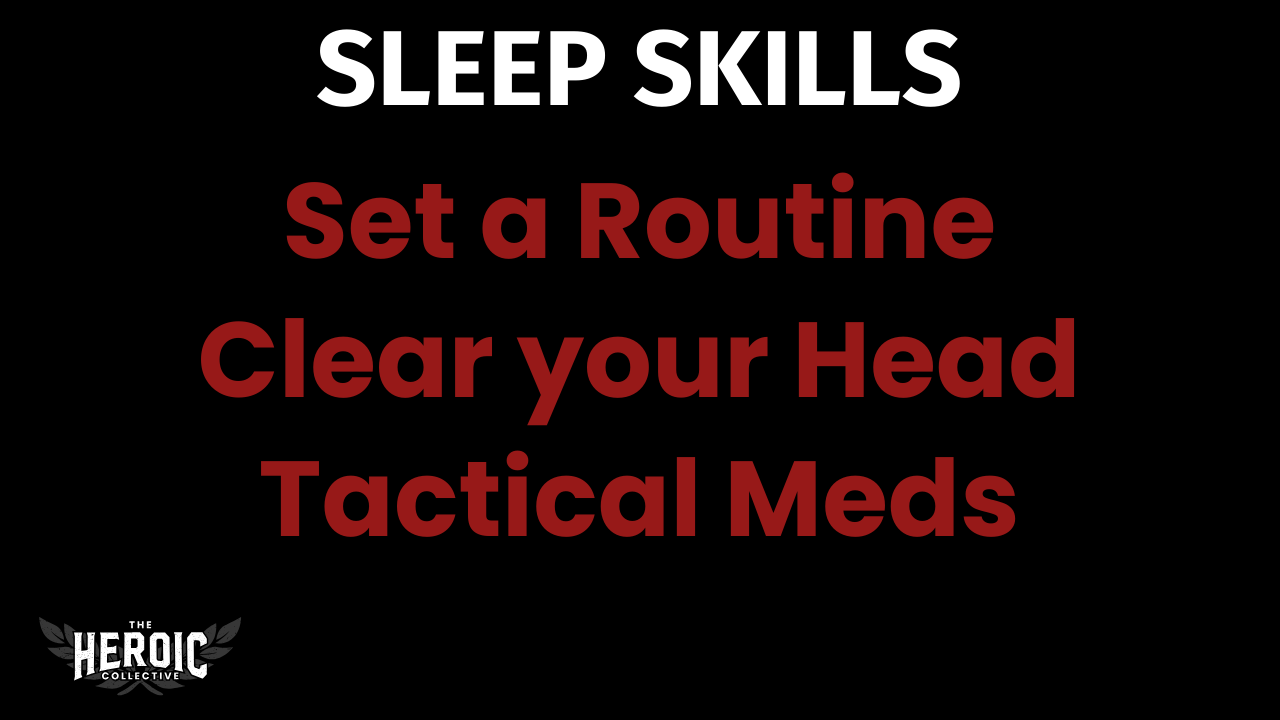
Sleep Skills
Get some sleep so you can face the day. And face your therapist.