Stages of Treatment:
A Clear Roadmap
Most people starting PTSD treatment feel lost and stuck.
We aim to give everyone a starting point and a way forward.
Stages of Treatment
Here we present the model that makes The Heroic Collective different from the rest. A structured approach that ensures you move through treatment for occupational PTSD with a clear course of action.
We hear so many stories of frontline workers being stuck in treatment for years without moving forward. They see their therapist regularly but feel like they are treading water or worse, wasting time.
You can read through the stages of treatment below, and then download the free PDF handout from the downloads page.
Or better yet, check out the free preview of our online course where Dr Al explains the Stages of Treatment for Occupational PTSD.
Hear Dr Al Explain the Stages

Stage Zero: Chaos / Limbo (Under-Treatment)
Timeframe: Months to years
Many people arrive at therapy already exhausted and discouraged. You may have technically been “in treatment,” but nothing has really shifted.
Common experiences at this stage include:
-
No clear skills
-
No structured plan
-
Little or no progress
-
Over-reliance on medication
-
Feeling stuck or trapped in symptoms
This stage is not a failure — it reflects under-treatment, not lack of effort. Before trauma processing can begin, the nervous system needs stabilisation and skills.
Stage One: Chaos Alleviation – Learn the Skills
Timeframe: 3+ months
This is where meaningful change usually starts.
In this stage, you begin by learning the PTSD model — understanding what is happening in your brain and body, and why your reactions make sense after trauma.
Key focus areas include:
-
Improving self-care
-
Learning basic distress tolerance skills
-
Managing fatigue
-
Exploring emotions safely
-
Tactical use of medication
-
Beginning to identify personal susceptibilities
The goal here is reducing chaos and giving you tools to cope, not pushing you into trauma processing too early.
Our online course is designed to support people at Stage One of PTSD Treatment.
Learn more about the course
Stage Two: Stabilisation – Master the Skills
Timeframe: Months to years
As skills become more automatic, day-to-day life often starts to feel more manageable.
At this stage, you may notice:
-
You are becoming a “distress skills expert”
-
More realistic expectations around sleep
-
Improved ability to manage irritability
-
Better relationships
-
Increased tolerance of emotions
-
Growing meta-cognitive awareness (noticing thoughts without being overwhelmed by them)
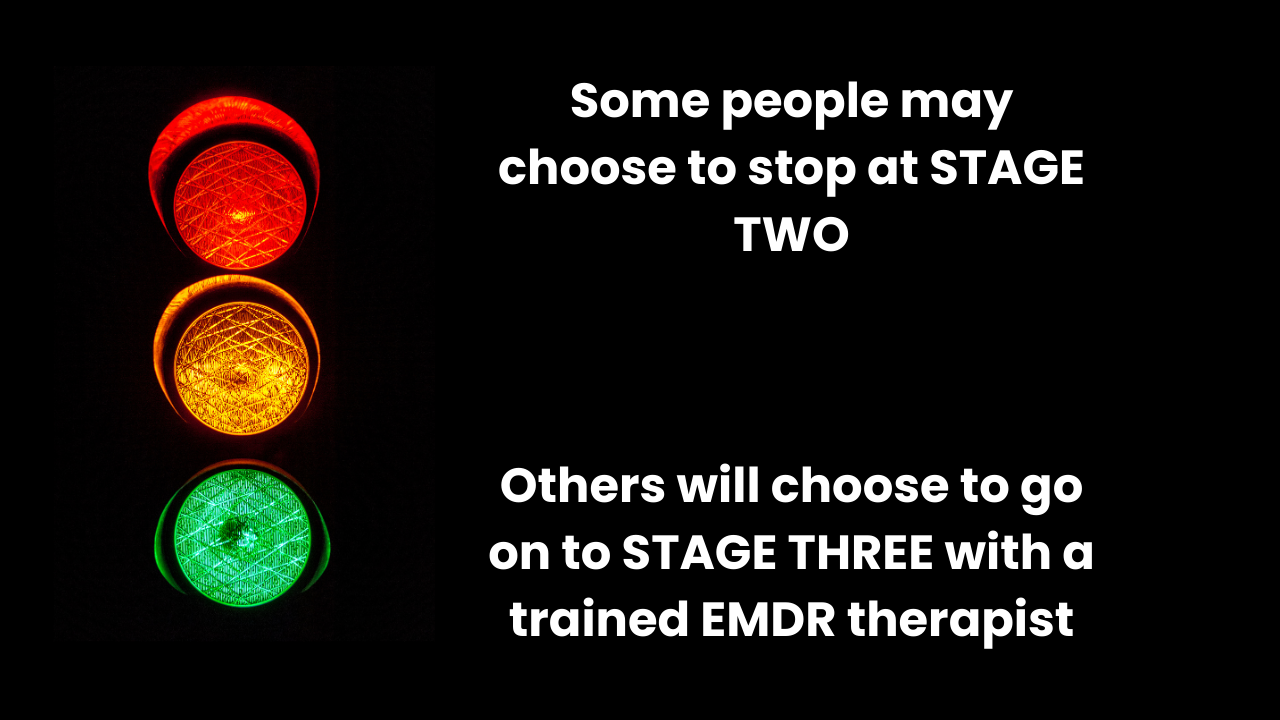
Importantly, some people choose to stop here. A stable, functional life with well-used skills is a valid and successful outcome.
Stage Three: EMDR Preparation
Timeframe: 2+ months
For those who choose to continue, the next step is preparing for trauma processing, often using EMDR (Eye Movement Desensitisation and Reprocessing).
In this stage, you and your therapist:
-
Make a clear agreement to proceed with EMDR
-
Write trauma “headlines” (brief summaries of traumatic events)
-
Complete detailed memory mapping together
-
Develop an EMDR after-care plan to manage symptoms between sessions
Preparation is critical. EMDR without adequate stabilisation can be destabilising, which is why earlier stages matter.
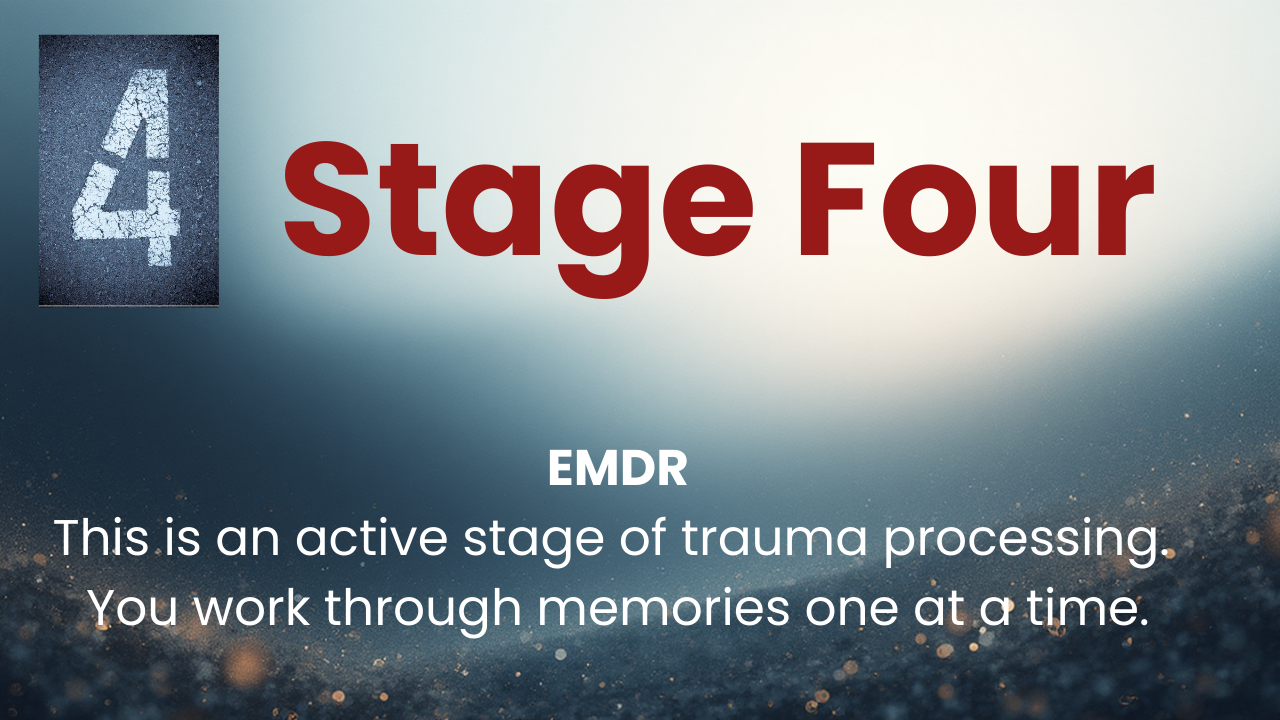
Stage Four: Trauma Processing (EMDR)
Timeframe: 1+ months
This is an active stage of trauma processing.
Work typically involves:
-
Processing memories one at a time
-
Starting with the worst or most impactful memory
-
Progressing through trauma themes
-
Monitoring nightmares as one way of measuring progress
This stage can be intense, but it is also where many people experience profound shifts in how memories are stored and accessed.
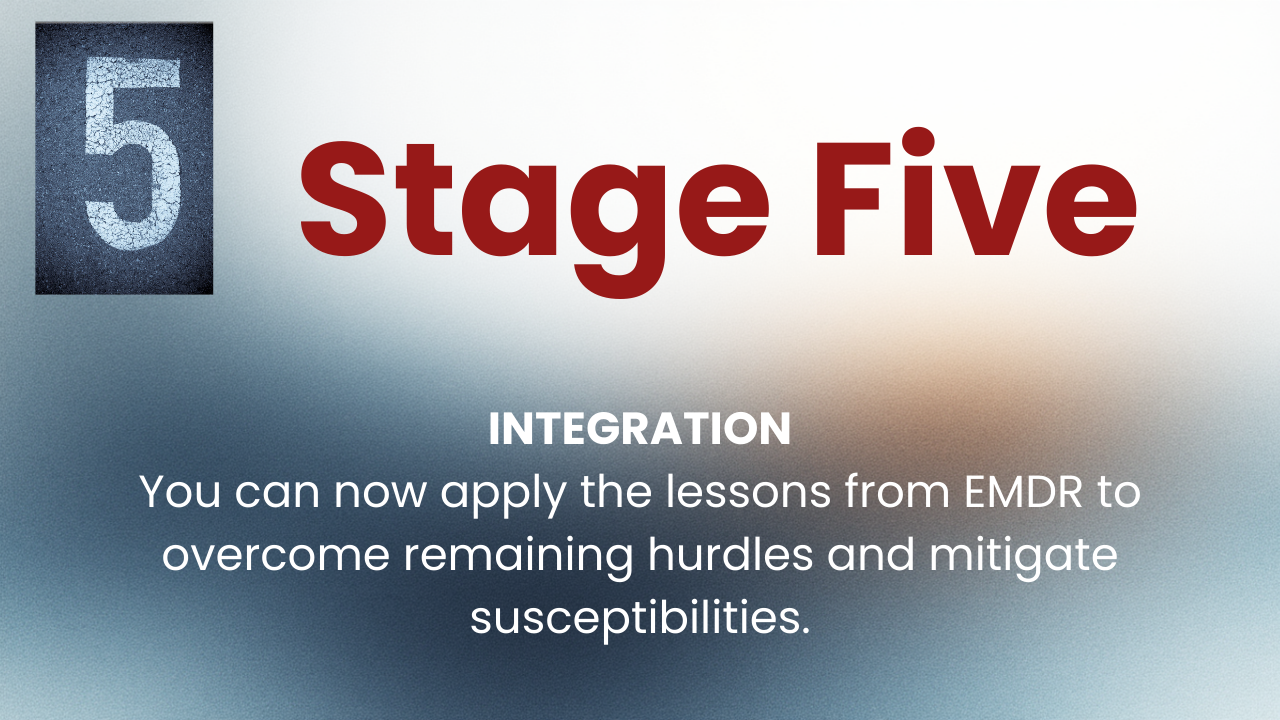
Stage Five: Integration and Remaining Hurdles
Timeframe: 3+ months
After trauma processing, the work turns toward integration.
Here, you apply the lessons learned through EMDR to everyday life and remaining vulnerabilities:
-
Maintaining realistic sleep expectations
-
Managing irritability
-
Strengthening relationships
-
Reducing medication where appropriate
-
Mitigating ongoing susceptibilities
This stage is about consolidating gains and ensuring changes last.
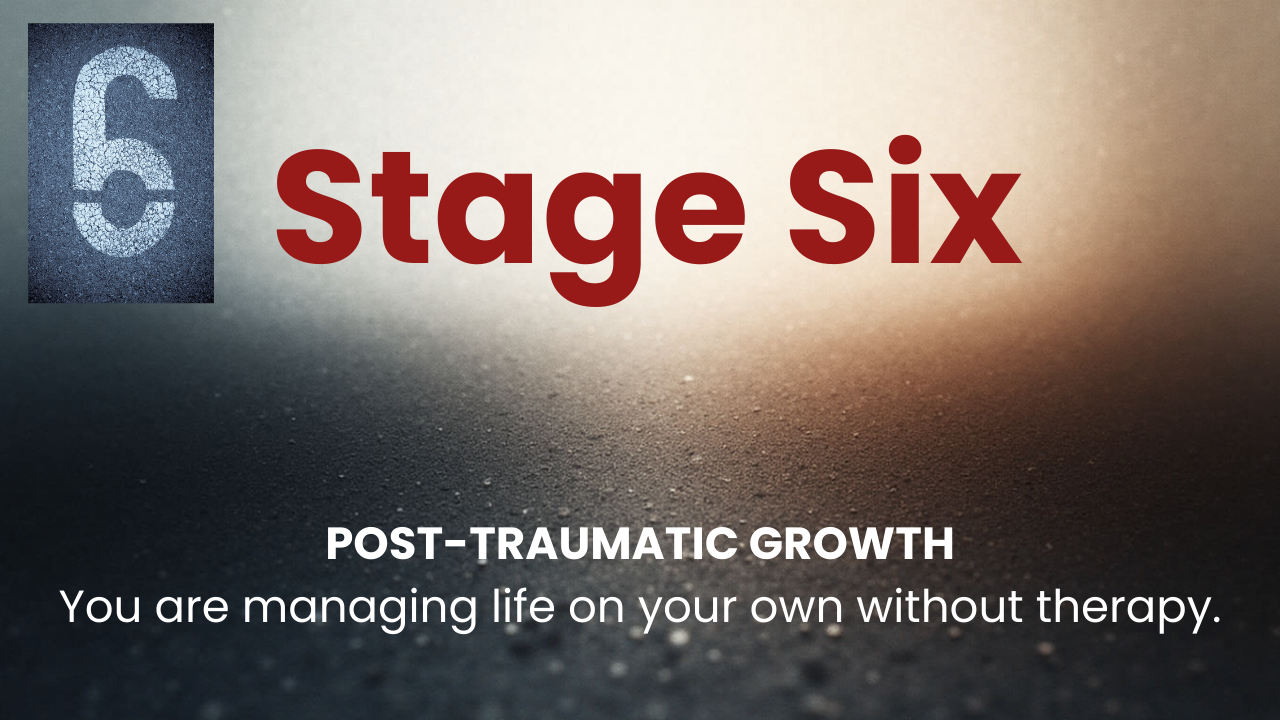
Stage Six: Post-Traumatic Growth (PTG)
Timeframe: Ongoing
Post-traumatic growth does not mean the trauma “didn’t matter.” It means life is no longer organised around surviving it.
At this stage:
-
You are managing life without therapy
-
Skills are still used for maintenance
-
You feel reconnected with family and friends
-
You may seek meaningful employment or contribution
-
There is space for purpose, values, and growth
This is not about being “fixed,” but about living well.
Get a Free Preview
Dr Al has created an online course for people who have occupational trauma and anger issues. The intro lesson explains the Stages of Treatment. Sign up to get FREE access.